

Artificial intelligence is no longer a far-off idea found exclusively in science fiction. It is already playing a significant role in our homes, businesses, schools, hospitals, and transit networks. AI is transforming how people use technology, complete activities, and make decisions in daily life. Examples of this include voice assistants and personalized shopping recommendations. The future of Artificial Intelligence promises increased convenience, quicker services, and more effective answers to common problems as smart systems continue to advance.
Many experts now think that the current advances in AI technology are just the start of a far bigger change. To increase efficiency and enhance customer satisfaction, businesses are making significant investments in robots, automation, machine learning, and data-driven technologies. Simultaneously, customers are benefiting from artificial intelligence through more intelligent gadgets, improved medical care, and personalized online experiences. Artificial intelligence is increasingly firmly ingrained in society, as evidenced by the increasing number of applications.
It is crucial to comprehend how AI will affect human existence since these systems will have an impact on future employment, education, communication, and lifestyle decisions. This article examines the future of artificial intelligence, the most recent advancements, and useful forecasts that demonstrate how AI will continue to change our way of life.
AI in Daily Life: Smart Homes and Personal Assistants

The emergence of smart homes is one of the most obvious applications of AI in daily life. Homes are made more secure and comfortable by gadgets like intelligent security systems, smart thermostats, and virtual assistants. These technologies lower energy consumption, automate tasks, and pick up habits.
Appliances that run automatically, mirrors that check health, and refrigerators that track groceries are examples of the future of artificial intelligence in homes. Key AI technology developments that emphasize ease and customization are reflected in these innovations.
Automation that saves time is another significant benefit. One of artificial intelligence’s greatest advantages is that it frees individuals up to concentrate on important work rather than tedious duties. These uses of artificial intelligence are currently widespread and expanding quickly.
Future of AI in Healthcare and Wellness
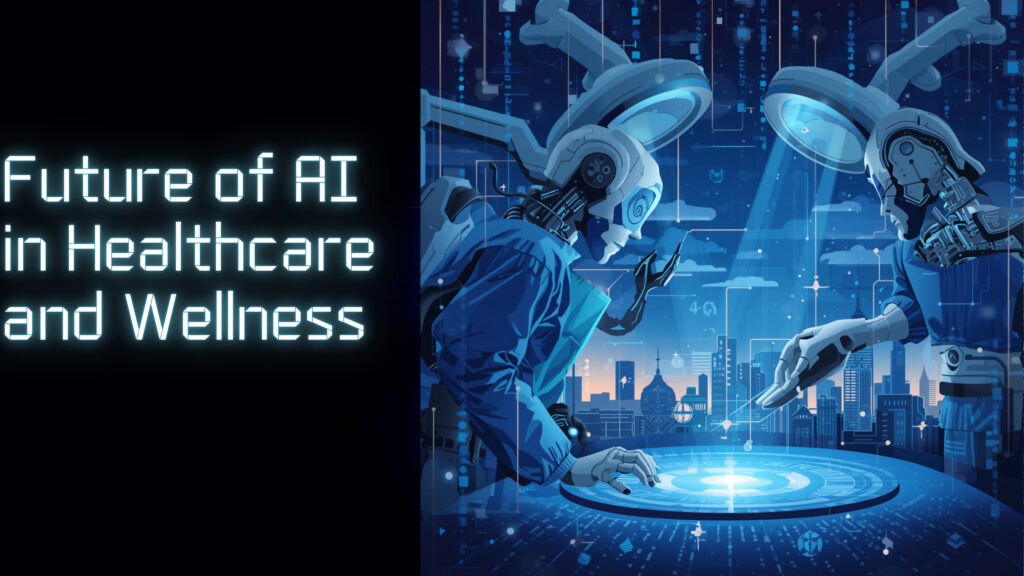
One of the industries with the greatest potential for AI in the future is healthcare. AI tools assist physicians in making treatment recommendations, diagnosing illnesses earlier, and analyzing medical scans more quickly and accurately. Additionally, wearable technology demonstrates how AI in daily life promotes healthier living.
Robotic surgeries, AI health coaches, and prediction systems that detect disease before symptoms manifest might all be part of the future of artificial intelligence. These advancements are in line with cutting-edge AI technology trends in precision medicine and preventive care.
Faster diagnosis, less expenses, and better patient outcomes are some of the biggest advantages of artificial intelligence in healthcare. Hospitals will become more efficient through automation and data analysis, according to several AI future projections.
When technology improves access to care and saves lives, it is evident that AI has a positive impact on human life.
Artificial Intelligence Applications in Education and Learning
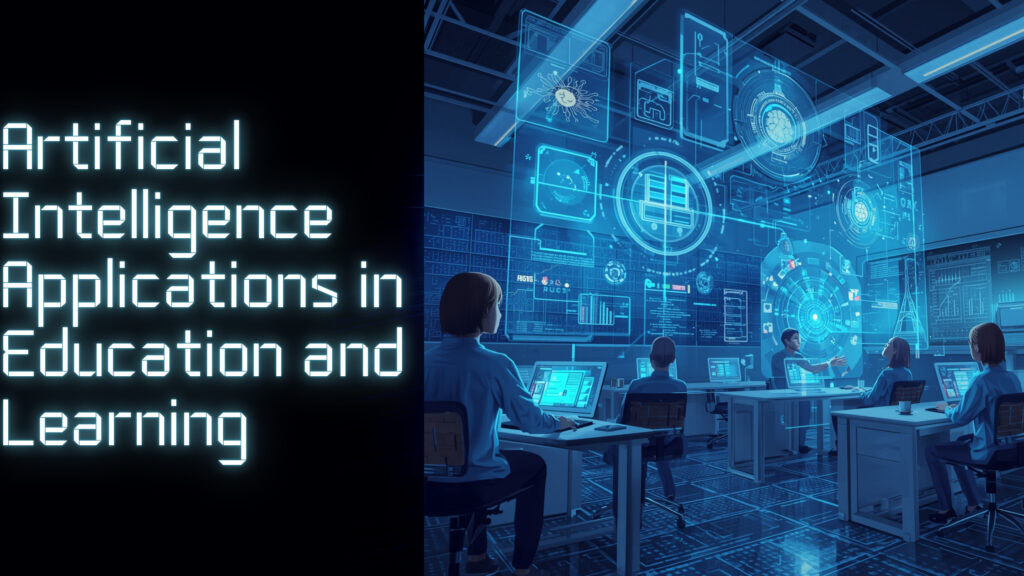
New applications of artificial intelligence are rapidly transforming education. Lessons are tailored using AI-powered learning platforms according to the strengths and shortcomings of each student. Learning becomes more effective and interesting as a result.
Artificial intelligence in the classroom may take the form of virtual learning environments, intelligent grading systems, and 24/7 AI tutors. These tools reflect significant advancements in AI technology that increase global access to education.
Through language apps, research tools, and adaptive learning systems, students are already exposed to AI on a regular basis. Equal learning support for students with varying demands is one of the greatest advantages of artificial intelligence in education.
Many projections about AI’s future state that technology will allow instructors to concentrate more on mentoring and creativity rather than replacing them. Both student achievement and the quality of instruction can be enhanced by this balanced future of AI.
AI Technology Trends in Workplaces and Careers
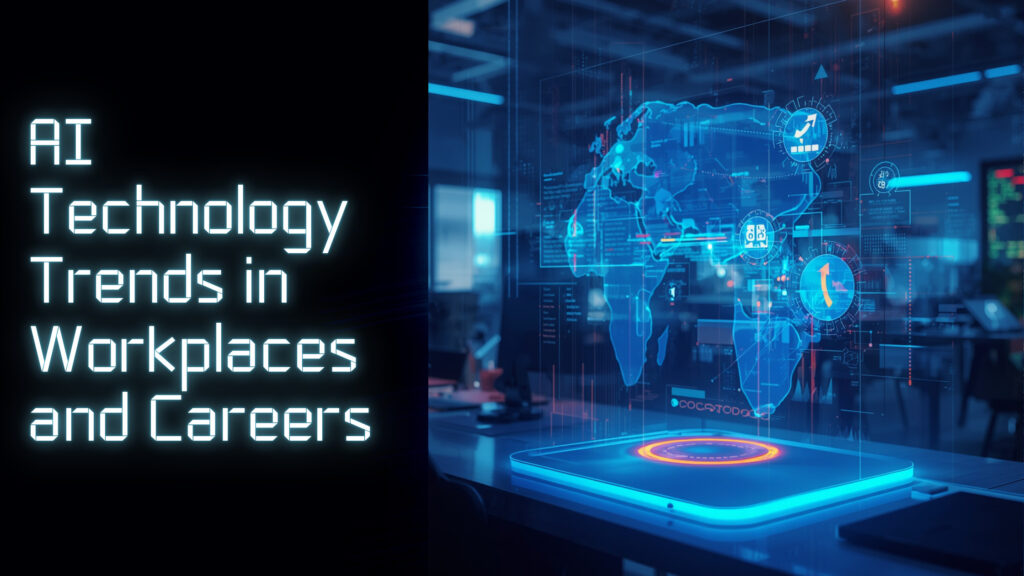
Strong AI technology trends are being adopted in modern companies to increase productivity. Data management, customer service, accounting, and scheduling are all automated by AI software. This illustrates how professional settings will be altered by AI in the future.
Future developments in robots, machine learning, cybersecurity, and AI ethics are expected to generate new employment opportunities. There will be fresh opportunities even though some repetitive roles might become less common. This is a significant aspect of how AI affects human existence.
AI helps workers in their daily lives by providing them with more intelligent tools that lighten their workloads and boost output. Artificial intelligence clearly has these advantages for both employers and employees.
Many projections about the future of AI indicate that rather than competing, humans and AI systems will work together. Creativity, emotional intelligence, and problem-solving abilities are essential for successful careers.
Impact of AI on Human Life in Transportation and Cities
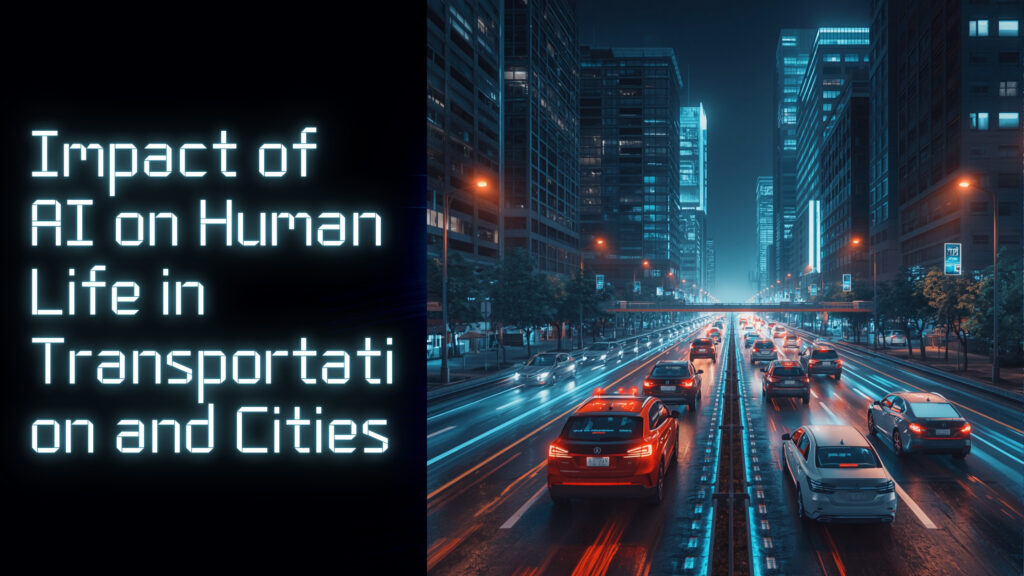
Transportation is one area where AI’s increasing influence on human lives is most evident. AI is used in everyday life by ride-sharing services, navigation apps, and traffic prediction systems.
Self-driving automobiles, intelligent traffic systems, and safer public transportation are all examples of the future of artificial intelligence in transportation. These developments align with worldwide trends in AI technology that prioritize sustainability and efficiency.
Artificial intelligence technologies will be used in smart cities to monitor pollution, manage waste, ease traffic, and enhance public safety. This illustrates the future of artificial intelligence that goes beyond personal gadgets.
Improved resource management is one of artificial intelligence’s main advantages for urban areas. Future urban living will be safer, cleaner, and more connected, according to expert AI forecasts.
Benefits of Artificial Intelligence and Ethical Challenges
Artificial intelligence has numerous obvious advantages, such as quicker decision-making, better healthcare, individualized education, and more effective corporate operations. The world is paying attention to AI’s future because of these advantages.
But there are drawbacks to artificial intelligence as well, like job upheaval, algorithmic bias, and privacy issues. To lessen AI’s detrimental effects on human life, responsible development is required.
In response to these developments in AI technology, governments and businesses are establishing norms for transparency and ethics. While providing innovation, safe AI applications must safeguard users.
The most accurate forecasts for the future of AI rely on how ethically society develops and use these technologies.
Conclusion: Preparing for the Artificial Intelligence Future
A world where technology is more helpful, responsive, and deeply ingrained in daily life is being shaped by the Future of Artificial Intelligence. AI in everyday life is already changing how people live and work, from healthcare and education to smart homes and transportation. Smart systems that save time, enhance decision-making, and more effectively tackle complicated problems will be a part of society as current AI technology trends continue to develop.
AI has a bright future ahead of it, but it also calls for careful planning. To guarantee that the future of artificial intelligence is moral, inclusive, and advantageous for all, governments, businesses, and academics must collaborate. We can minimize dangers and optimize the advantages of artificial intelligence by emphasizing innovation with accountability.
Rather than taking the place of human talents, many credible projections for the future of AI indicate that it will become a reliable partner. This shift is already happening, as seen by the increasing number of applications for artificial intelligence. The way we create and employ this potent technology in the years to come will ultimately determine how AI affects human life. You can also explore How AI Is Changing the Future of Digital Marketing to understand AI’s growing role in business and online strategies.
Frequently Asked Questions (FAQ)
1. What is the future of artificial intelligence in everyday life?
The future of artificial intelligence in everyday life includes smarter homes, virtual assistants, personalized services, and faster decision-making tools.
2. How is AI transforming the way we live?
AI is transforming the way we live by improving healthcare, education, transportation, shopping experiences, and workplace productivity.
3. What are the benefits of artificial intelligence for daily life?
The benefits of artificial intelligence include saving time, reducing human effort, increasing efficiency, improving safety, and offering personalized experiences.
4. Will artificial intelligence replace human jobs in the future?
AI may automate repetitive jobs, but it will also create new career opportunities in technology, data analysis, robotics, and AI management.
5. How can businesses use artificial intelligence in the future?
Businesses can use artificial intelligence for customer support, marketing automation, data analysis, sales forecasting, and improving customer experience.