

The world of education is undergoing a massive transformation, driven by rapid advancements in technology and the increasing accessibility of the internet. The Future of Remote Learning is not just about taking classes online — it’s about redefining how students engage, interact, and absorb knowledge. Traditional classrooms are evolving into dynamic, digital learning spaces that transcend geographical boundaries and time zones.
In recent years, the integration of technology in education has reshaped teaching methodologies, creating personalized, flexible, and efficient learning experiences for students across the globe. From AI-powered tutoring systems to immersive virtual classrooms, the possibilities are limitless. As we look ahead, the future of education technology promises to make learning more inclusive, interactive, and intelligent than ever before.
This article explores how remote learning technology is influencing the next generation of education, the trends shaping this evolution, and how educators and learners can prepare for the future.
1. The Future of Remote Learning: Breaking Traditional Boundaries

The world of education is changing at an incredible pace, and its roots lie in the rapid enhancement of technology coupled with unprecedented access to the internet. The Future of Remote Learning is not merely about attending classes but how students now perceive, interact, and internalize knowledge. The brick-and-mortar walls of traditional classrooms are dissolving into digital learning environments that know no frontiers in time and space.
With technology, educational pedagogies have been reinvented in recent years to offer customized, flexible, and effective learning for learners everywhere around the world. The vast possibilities range from AI-driven tutoring systems to virtual classrooms. Looking into the future, education technology will certainly bring learning to a whole new level of inclusiveness, interactivity, and intelligence.
This article explores how remote learning technology is influencing the next generation of education, the trends shaping this evolution, and how educators and learners can prepare for the future.
2. Remote Learning Technology: Innovations Driving the Change

The innovation lies at the heart of the technology for remote learning. Artificial Intelligence (AI), Virtual Reality (VR), Augmented Reality (AR) and cloud-based learning systems are transforming how education is delivered and consumed.
AI and Machine Learning: These technologies personalize learning experiences by analyzing student performance and adapting the content to their needs.
Virtual Classrooms: It brings history and other subjects, like science, to life through immersion, hence improving engagement and understanding.
Cloud Technology: Cloud platforms allow students and teachers to collaborate anywhere, provide immediate feedback, and access learning materials from any device.
Integration of these tools guarantees that learning remains engaging, interactive, and effective, thus making the environment more productive for both students and educators.
3. The Future of Education Technology: Personalization and Accessibility
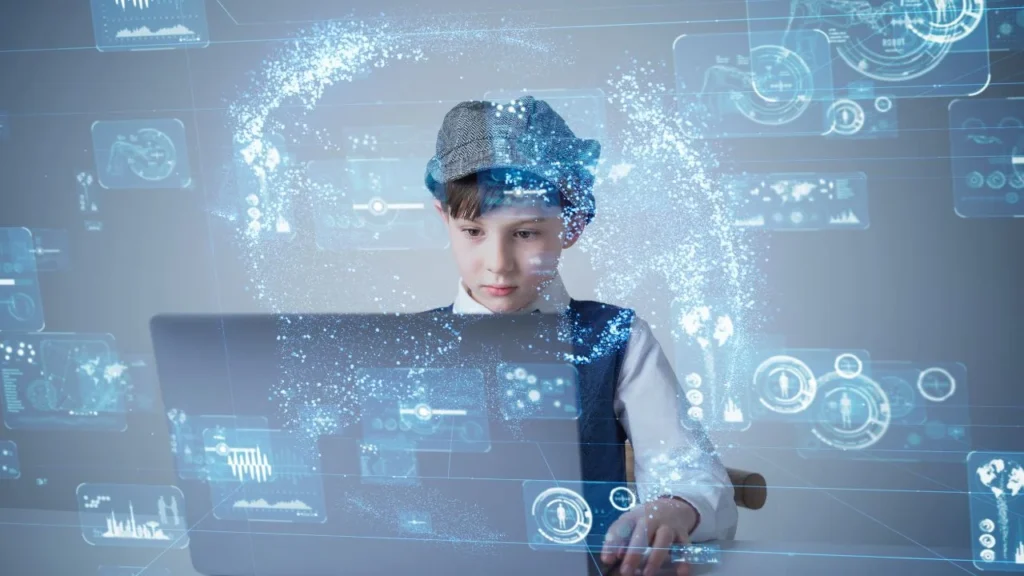
The future of education technology is all about personalization and access. Every learner has a different pace, style, and preference-and emerging technologies are designed to accommodate those differences.
Adaptive learning platforms use algorithms to tailor lessons to the strengths and weaknesses of a student, while accessibility features like text-to-speech, captioning, and translation tools make education more inclusive for students with disabilities or language barriers.
Moreover, 5G and high-speed internet are extending connectivity, even to rural and underserved areas, to actively participate in the global education ecosystem. The future of remote learning is in a world where no student gets left behind, wherever they might be or whatever their situation in life.
4. Technology in Education: Empowering Teachers and Learners Alike
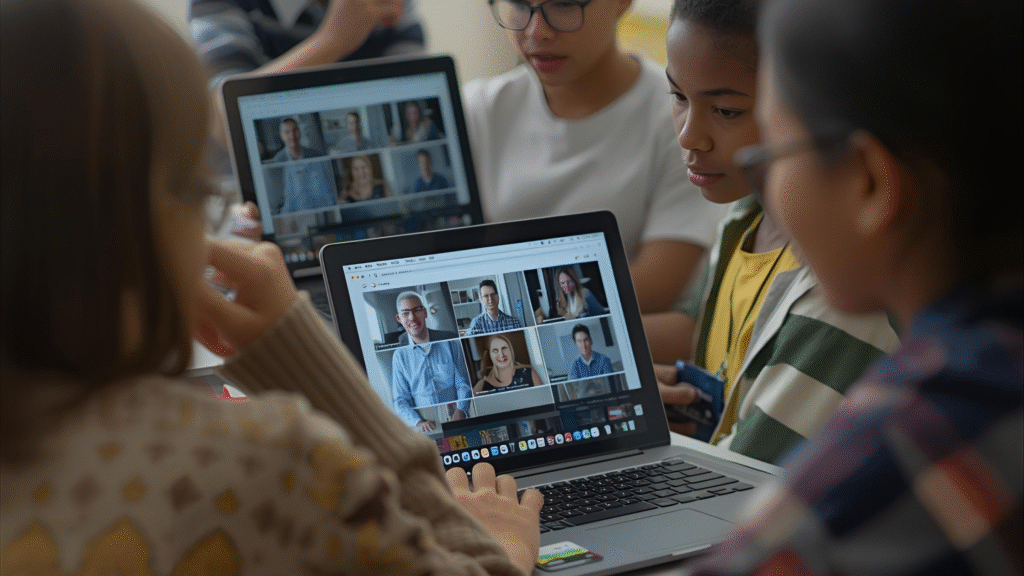
The role of technology in education reaches beyond the benefits accruing to the students; it aids teachers as well. Instructors can use advanced data analytics to monitor the progress of students, spot areas of learning gaps, and alter teaching strategies.
With tools like Google Classroom, Zoom, and Microsoft Teams streamlining classroom management, AI assistants ease the process of grading, feedback, and other administrative work, enabling teachers to focus more on mentorship and creative engagements rather than routine paperwork.
Besides, collaborative platforms promote peer-to-peer learning in which students can contribute knowledge and experiences simultaneously. Such technological empowerment upgrades the overall quality of education and builds a culture of curiosity and innovation.
5. The Future of Remote Learning and the Global Workforce

The future of remote learning is deeply connected with the world’s constantly developing job market. As more industries become digital, employers want candidates who can show strong technical, creative, and communication skills.
Digital literacy and self-discipline are some of the key competencies developed via remote learning, crucial for today’s labor market in fully remote or hybrid job arrangements. Certifications and degrees are given online, hence allowing learners flexible career paths that were not previously available.
Besides, lifelong learning platforms keep professionals up to date with the latest industrial information so that education does not stop with graduation. In such a way, remote learning technologies and workforce synergy are getting the next generation prepared for a future that is all about adaptability.
6. Challenges Ahead: Bridging the Digital Divide

While the future of remote learning is promising, it comes with a number of challenges. The digital divide, or the inequality in technology and reliable internet access, remains a major concern in developing regions.
It will be important to ensure equity in device access, affordability of the internet, and teacher training if the learning environment is to be truly inclusive. Governments and organizations should invest in infrastructure and policies that provide digital education for all.
Only through addressing them will we fully unlock the transformative potential that technology brings into education.
Conclusion – The Bright Future of Remote Learning

The future of remote learning exists to revolutionize the way we think about education, from being restricted by four walls to becoming a global, personalized, and tech-driven experience. Innovations in technology for remote learning and the future of educational technology are opening up new avenues of creativity, collaboration, and inclusion.
With the fast-evolving technology, it is clear that the interplay between humans and digital tools will shape the learning for tomorrow. The teacher will be more of a mentor and guide, while the students will take greater ownership of their educational journeys.
After all, the ed-tech of today is only the beginning. The future promises smarter systems, immersive experiences, and a world where learning is truly boundary-less-dramatically empowering a new generation of learners to thrive in a digitally changing environment.
Read our another article: The History of Halloween
Mindfulness at Work