

The History of Halloween is both fascinating and mysterious, just like the festival itself. Known for its costumes, pumpkins, and trick-or-treating, Halloween’s origins are thousands of years old. The meaning of Halloween goes far more beyond contemporary celebration. It started as an ancient Celtic festival celebrating the end of the harvest season and the beginning of winter. This pagan festival evolved over time with religious influence to eventually become All Hallows’ Eve and then changed with all its joyful spookiness into the contemporary American Halloween. Knowing where and how Halloween began gives an understanding of the movement of human culture over the centuries–from the original manifestations of spirituality to the festival. This article explores a history of the traditions associated with Halloween, its original origins, and its development into one of the most popular events in the world.
How Halloween Began: The Celtic Origins of Samhain
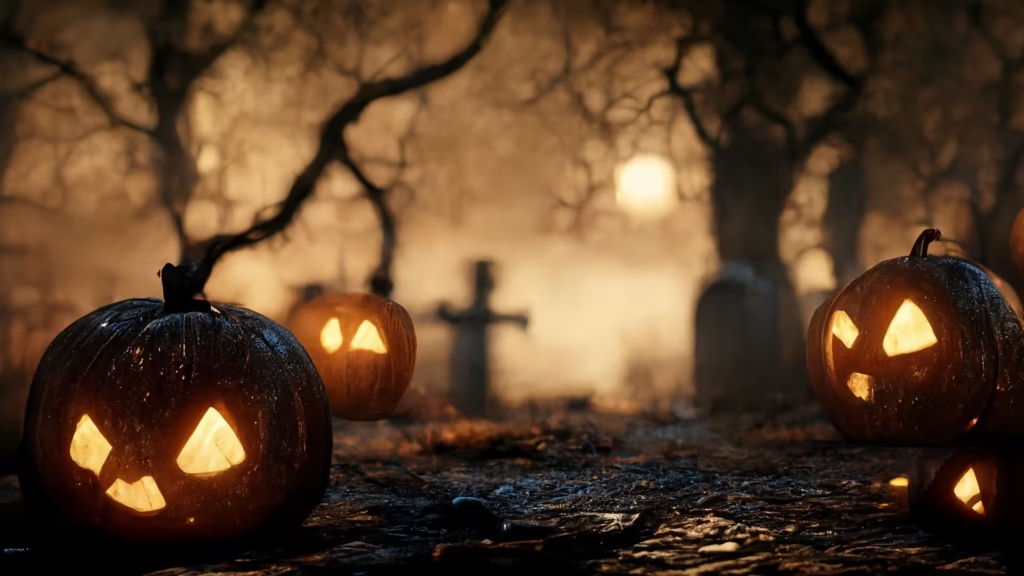
The history of Halloween begins over 2,000 years ago, during the time of the Celts who inhabited areas we now call Ireland, the United Kingdom, and Northern France. They held a festival named Samhain, pronounced “sow-in,” signalling the end of the harvest and the beginning of the cold, dark winter. The Celts believed the night of October 31 marked a time when the living and the dead coalesced, so they recognised spirits might visit Earth on this night. To protect themselves from these spirits, they lit bonfires and donned animal skin costumes. This is the basis for what some of our continuing traditions stem from in Halloween history.
The History of All Hallows’ Eve and Christian Influence
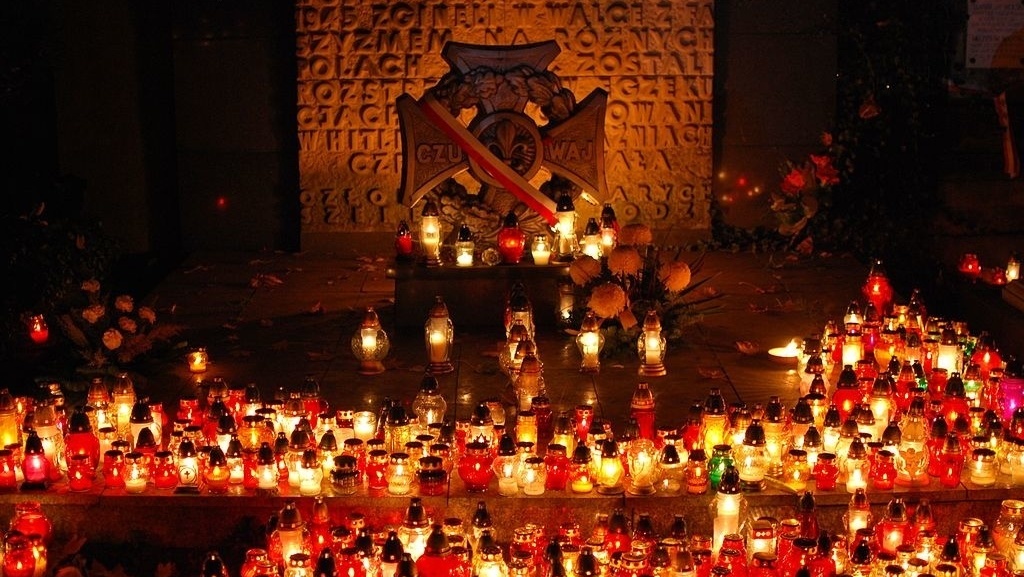
The origins of All Hallows’ Eve date back to the spread of Christianity across Europe. In the 8th century, Pope Gregory III designated November 1 as All Saints’ Day in honor of saints and martyrs. The evening prior to All Saints’ Day, October 31, therefore became known as All Hallows’ Eve, or Halloween for short. As customary Christian practices blended with Celtic traditions, the pagan and religious aspects of the evening came together. People continued to light bonfires and dress in costumes, but now in honor of saints and not spirits. This cultural shift provides a glimpse into how culturally adaption of customs and religious influence change the societal meaning of Halloween throughout history.
Halloween Historical Facts and Medieval Practices
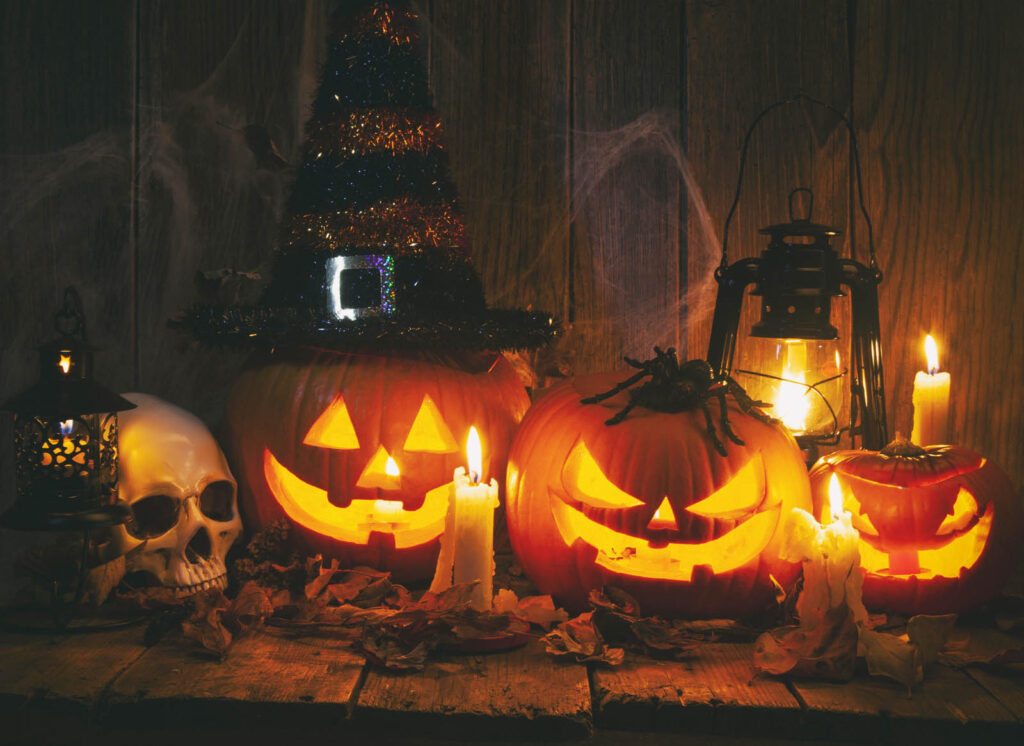
Exploring Halloween’s history illustrates that medieval Europe was paramount in establishing the celebrations. In the Middle Ages, the practice of “souling” persisted, where the poor would visit rich households and receive “soul cakes” for their prayers for the deceased. This notion evolved into the current trick-or-treating tradition. Another evolution of “guising” involved children dressing in costume and singing or telling jokes in exchange for treats. These social transactions recall the communal nature and superstition involved with the history of Halloween traditions.
The Migration of Halloween to America
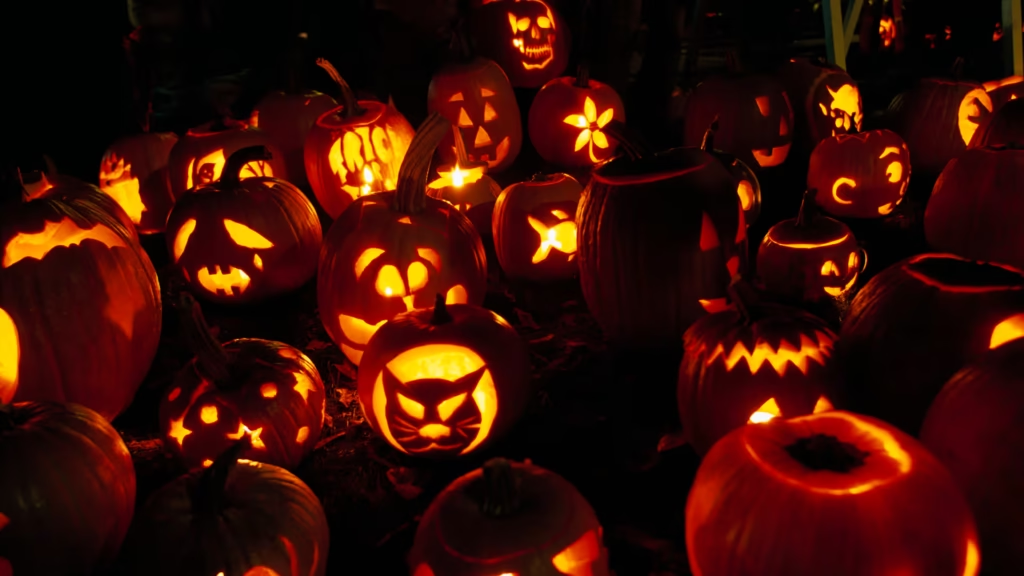
Halloween’s traditions shifted as European immigrants, most notably the Irish, brought their practices to America in the 19th century. Early on, Halloween in America was primarily celebrated on a community level, but by the end of the century, it had grown into a national holiday. Americans reformulated old customs incorporating the already popular pumpkin for carving—based on the Irish tale about “Stingy Jack” and its original turnip—and launched what we know today as trick-or-treating. Entire communities began organizing holiday parties, games, and costume parades, with emphasis placed on fun rather than fright. Much has changed in the history of Halloween from a religious and mystical background to community-based entertainment.
The History of Halloween Traditions in Modern Times
Modern Halloween celebrations combine ancient superstition, medieval traditions, and modern creativity. Haunted houses, horror films, and other cultural displays have led to a global phenomenon. Most countries, including Canada, the United States, and even Japan, now celebrate this festival of revelry. Parties, candy-giving, or other themed gatherings often take place on October 31. While it is true that the commercial nature of Halloween festivals has expanded, remnants of the past (i.e., witches, black cats, skeletons, etc.) still reveal the spiritual dimension of the history of Halloween traditions. Today, Halloween is a cultural and commercial celebration, mixing fear, fun, and folklore at the same time.
Halloween Historical Facts You Might Not Know
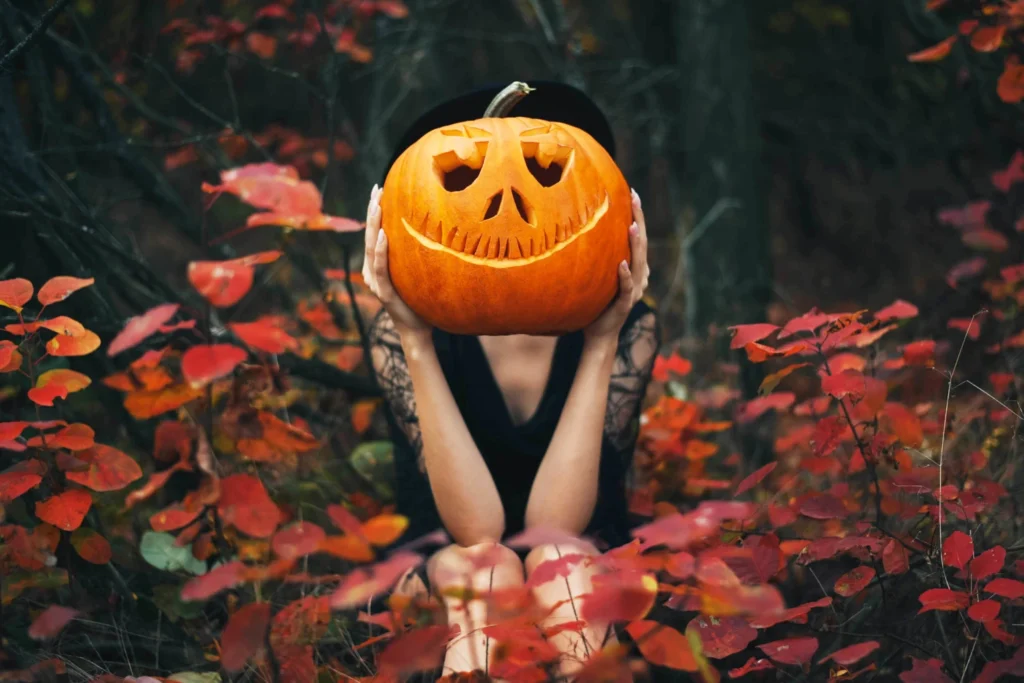
1. The term “Halloween” comes from All Hallows’ Eve which is the evening prior to All Saints’ Day.
2. Prior to pumpkins being common in America, the Celts carved turnips in Ireland.
3. Halloween colors are orange and black, with orange signifying harvest and black being representative of darkness.
4. The first Halloween postcards have been traced back to the early 1900s.
5. Americans spend over a billion dollars each year on candy and costumes for Halloween.
All of these historical facts surrounding Halloween illustrate how the holiday has evolved from sacred rituals to social celebrations.
The Global Meaning of Halloween Celebrations
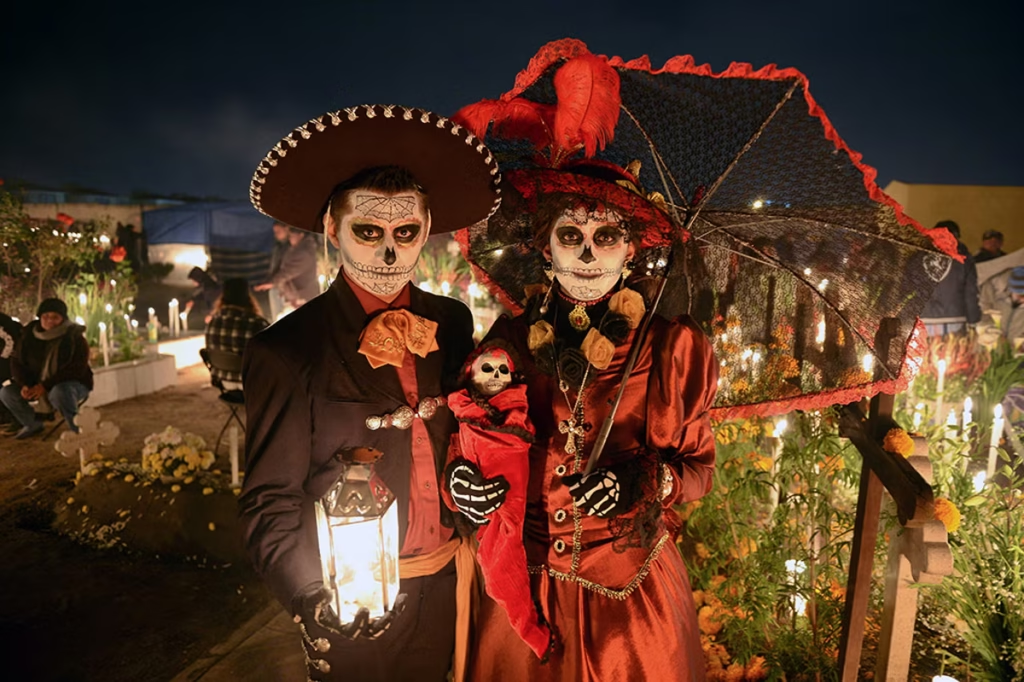
Although Halloween has its roots in the Western tradition, its meaning has spread around the world. In Mexico, the Day of the Dead (Día de los Muertos) shares a date with Halloween and honors ancestors with colorful altars and offerings. Japan holds parades and cosplay on Halloween, while in Europe, many of the more traditional acts of remembrance persist. Such variation speaks to how cultures recast the holiday’s meaning-to honor the dead, to confront fear, and to revel in life.
Conclusion: The Enduring Legacy of Halloween
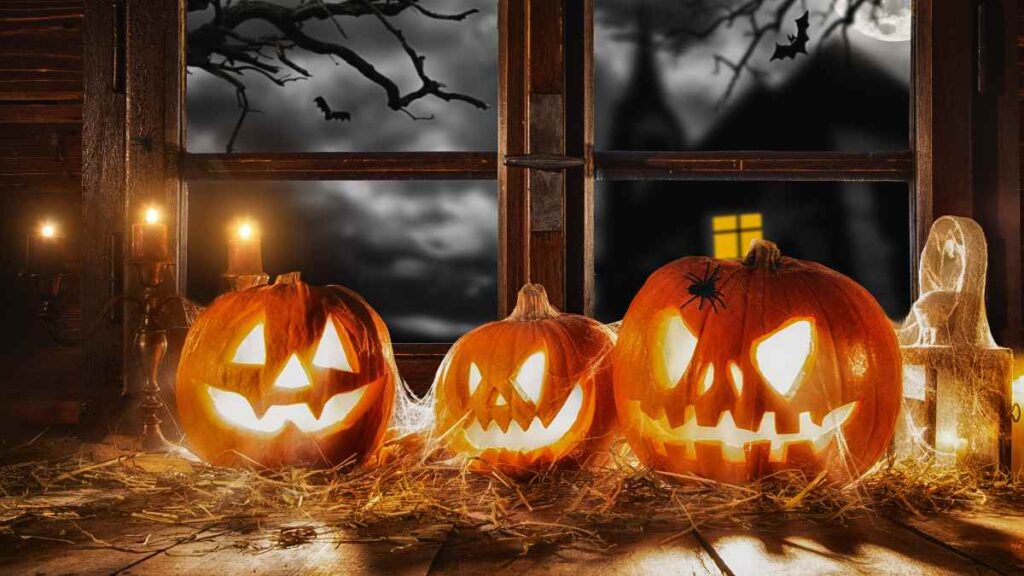
The history of Halloween is a story of transformation-from a Celtic ritual marking seasonal change to a universal celebration of imagination and joy. How Halloween began shows something continuous about the human penchant for the unknown, death, and renewal. Over centuries, the festival evolved through religion, migration, and modernization to become the spirited occasion celebrated today. While Halloween has evolved, it has clung to the themes it originated with: light overcoming darkness, community bonding, and the cycle of life and death. Whether explained as All Hallows’ Eve or as one night of fun and fright, the history of Halloween traditions reminds us of our heritage and love for stories across the mystical and real.
Read our another article: Mindfulness at Work